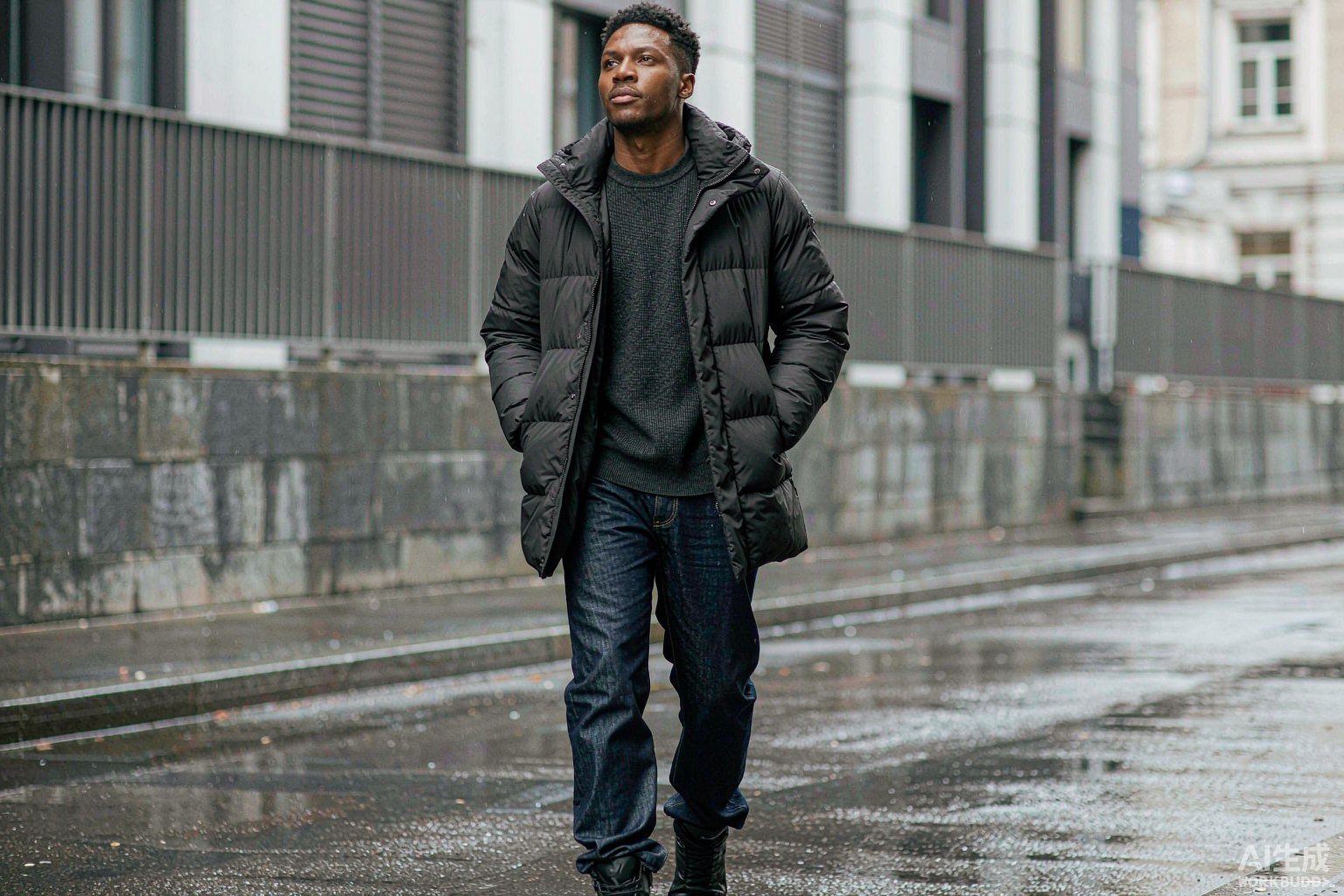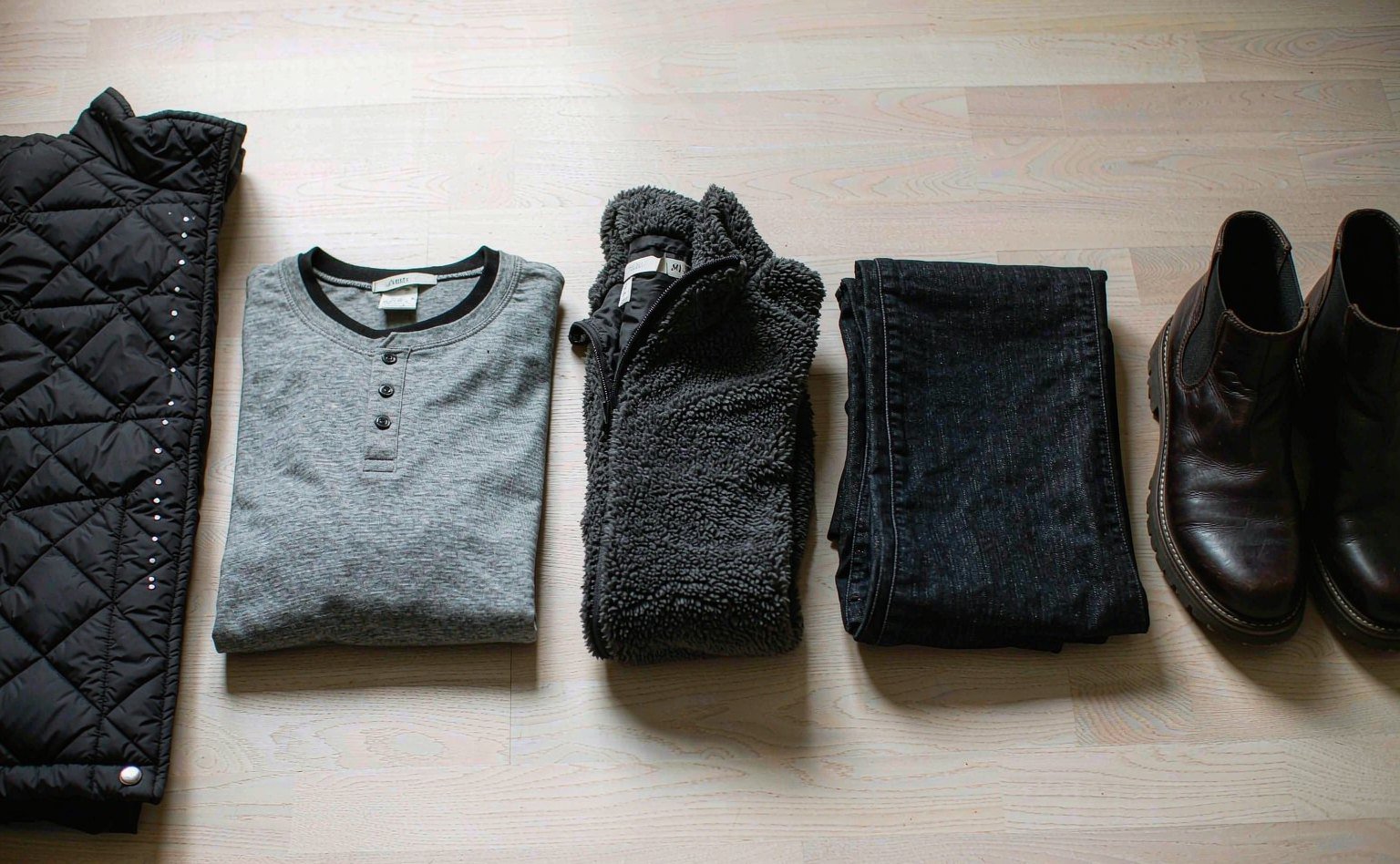
You dress for a 25°F morning: cotton T-shirt, thick hoodie, heavy fleece, puffer on top. Ten minutes into the walk you are sweating. Twenty minutes later you stop moving and you are colder than when you left the house. So what to wear under a puffer jacket? Short answer: a thin layer that moves sweat off your skin and one light mid layer to add warmth. That is it. The puffer does the heavy lifting. Your job is to stay dry and keep the insulation fluffy. This guide breaks down the base-and-mid system and gives you a temperature-by-temperature reference built for men.
Why Layering Under a Puffer Works (and Why “More Layers” Does Not)
Down does not make heat. It traps the heat you already produce. A puffer works because thousands of down clusters hold a layer of still air next to your body, and still air is one of the best insulators we have. Add a base layer that moves sweat away, add a mid layer that traps more air, and you have built a layering system rather than a pile of clothes.
Here is the part most men get backwards: more layers can actually make you colder. Pack a bulky sweater and a heavy hoodie under a fitted puffer and you squeeze the down flat. Flattened down holds less air, and less trapped air means less warmth. The same pressure can squeeze the thin air gaps between your layers into narrow channels, and once that air can flow it carries heat away through convection instead of holding it. You end up carrying more weight for less insulation.
Two things then go wrong when you over-layer. First, you overheat and sweat, and a soaked base layer pulls heat off your skin fast. Second, the moment you slow down, that damp layer stops being a heater and turns into a chiller. Fill a seat on a train in a wet cotton tee and you will feel the drop within a minute.
Think of how to layer under a puffer jacket as three jobs: move sweat (base), trap warmth (mid), and block wind and hold the whole thing together (the puffer). Every layer earns its spot or it stays home. The right number of layers, not the most, is what keeps you warm.
Your Base Layer: What Sits Against Your Skin
Your base layer has one real job: pull sweat off your skin and spread it out to dry. Get that right and everything above it works better. Get it wrong and no puffer can save you.
Skip cotton. A plain cotton tee soaks up sweat and holds it against your body, and water conducts heat away about 25 times faster than air. Once cotton is wet, it chills you. That single habit, the cotton T-shirt under everything, is the most common cold-weather mistake there is.
Your two real options:
- Merino wool. Soft, stays warm even when damp, resists odor, and works for several days on a trip. It dries more slowly than synthetics and costs more.
- Synthetic (polyester). Moves moisture fast, dries quickly, and lasts for years. It holds odor, so one hard day and it needs a wash.
Fit matters as much as fabric. Your base layer should sit snug against your skin, not loose and not tight. Snug contact is what lets it wick. A roomy tee just traps sweat in a pocket of air. The best base layer for a down jacket is usually a light merino or synthetic crew you would also wear on its own; the puffer handles the warmth, so you do not need anything heavy here.
Your Mid Layer: The Warmth You Add Under the Puffer
The mid layer is your adjuster. It adds warmth when you are standing still and disappears when you are working hard. Pick it by activity, not by thickness.
- Fleece. Fast-drying, warm even when damp, and breathable. A light or grid fleece covers most days.
- A thin wool sweater. Warmer per ounce than fleece, breathes well, and looks sharper for a city day.
- A down or synthetic vest. The underrated pick. a lightweight down vest keeps your core warm while leaving your arms free to move and vent.
What not to use: a thick cotton hoodie or a heavy sweatshirt. Cotton holds sweat, it is bulky, and it packs your down flat. If a hoodie is all you have, make it a thin one and check that it is not squeezing the jacket.
Two details matter more than men expect. First, choose a mid layer with a full or half zip, so you can dump heat in seconds without stripping off. Second, leave room. You want roughly one to two fingers of space between the puffer and the layers underneath. If the jacket feels tight across the chest or back, you have compressed the loft, and the best mid layer under a puffer jacket is the one that still lets the down breathe.
Commute vs. Outdoors: Two Layering Playbooks
Most layering problems trace back to four habits:
- Cotton against your skin. It holds sweat and chills you once it is wet.
- Wearing too much. You overheat, sweat, then freeze the moment you slow down.
- Squashing the down. Bulky layers under a fitted puffer flatten the loft that does the insulating.
- Ignoring your activity level. Standing on a platform needs more warmth than walking six blocks.
More layers help — until they don’t. Build your kit around those four traps and the rest is simple.
Urban commute. You move between cold streets and warm trains, offices, and shops, so you want layers you can shed fast. Go light: a thin merino or synthetic base, a light fleece or thin wool sweater, and a mid-weight puffer on top. Zippered mid layers earn their keep here, because you can crack them open indoors instead of stripping down to your base.
Outdoors and active. Hiking, walking the dog in real cold, shoveling snow. Here the puffer is your warmest outer layer and the mid layer has to handle sweat. Wear a synthetic or merino base, a grid fleece, and the puffer on top. Start slightly cool, the old “be bold, start cold” habit, because you will warm up within ten minutes of moving. In damp conditions or on hard efforts, favor a synthetic-filled mid over down; down is at its best in dry cold.
| Temperature | Base layer | Mid layer | Notes |
|---|---|---|---|
| 40–50°F | Light base | Light fleece or none | Puffer may be all you need |
| 30–40°F | Mid-weight base | Fleece | Add a windproof shell if it is windy |
| 20–30°F | Mid-weight base | Fleece or down vest | Keep exposed skin covered |
| Below 20°F | Heavyweight base | Heavy fleece plus down vest | Gloves, hat, and scarf |
These ranges are a rough guide, not a rulebook. For a deeper look at how warm your jacket actually is based on fill power and ratings, see our full breakdown.
FAQ: What to Wear Under a Puffer Jacket
Can I wear a hoodie under a puffer jacket?
Yes, if it is a thin one and it does not squeeze the down. A heavyweight cotton hoodie is a poor choice: bulky, sweat-holding, and it compresses the loft. Choose a thin fleece or light hoodie instead and check that the puffer still feels roomy across the chest. For lighter core warmth without the bulk, this packable down vest slides under a jacket cleanly.
Does wearing more layers make a down jacket warmer?
Only up to a point. Once extra layers compress the down’s loft or trap too much moving air, warmth drops instead of rising. A dry base plus one good mid beats three cramped layers every time.
What is the best base layer for a down jacket?
A thin merino or synthetic layer that fits snug. Merino stays warm when damp and resists odor; synthetics dry faster. Either one beats cotton.
Merino or synthetic if I sweat a lot?
If you sweat hard, synthetics move moisture and dry the fastest. If you want warmth-when-wet and less odor across several days, merino wins. What to wear under a down jacket comes down to how much you sweat and how long you are out.
Strip it back to three jobs: a dry, snug base layer that moves sweat, a light mid layer you can remove, and a puffer that traps the air. Fewer, better layers keep you warmer than a stack of heavy ones, and they keep the down fluffy enough to do its work. If you have been over-layering, take one layer out before you leave tomorrow and see how you feel. Figuring out what to wear under a puffer jacket comes down to staying dry and keeping the loft — strip back and try it. If your outer layer is part of the problem, browse our men’s puffer jackets and pair the right one with the base and mid you already own.