
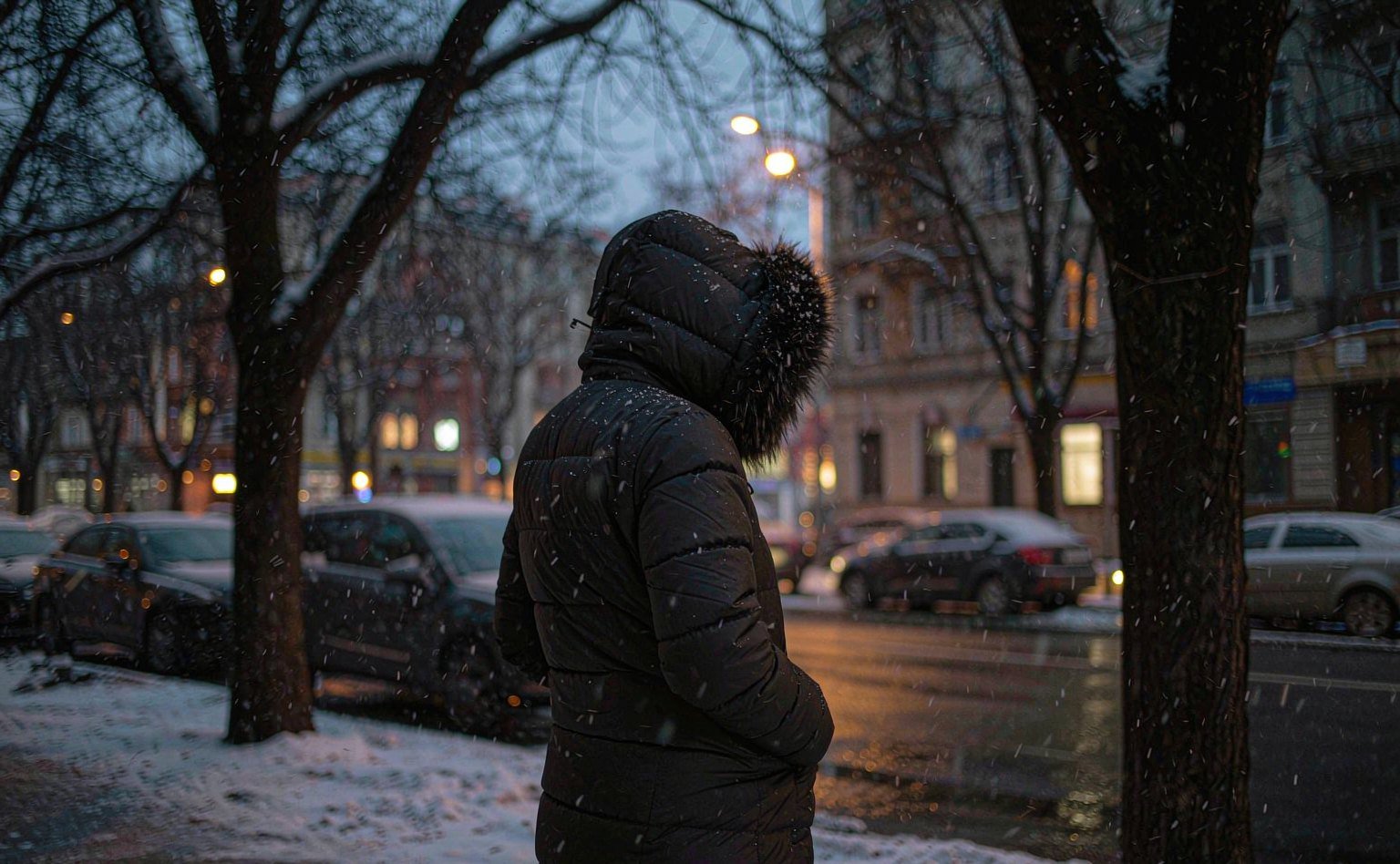
Every winter jacket tag carries a number. A −30°C. A “TEI 4.” A little gauge that fills up as you move up the line. Most shoppers read that number the same way: as a promise. Stand outside at that temperature, the thinking goes, and you’ll be fine.
It isn’t a promise. It’s a rough map of where a jacket is meant to be used, drawn by each brand under its own rules — which is why two coats can both advertise “good to −20°C” and feel nothing alike on the same street corner. Here’s how to read what’s actually on the label, and how to pick a jacket for the winter you actually live in instead of the one on the marketing page.
Jackets Don’t Have a Real Standard. Sleeping Bags Do.
Start with the awkward part: there is no single, testable standard for how warm a jacket is.
Sleeping bags have one. ISO 23537 — which replaced the older European EN 13537 — puts a heated manikin inside the bag in a climate chamber, measures how much energy it takes to hold body temperature, and labels the bag with three numbers: comfort (the point where a “standard woman” lying relaxed sleeps without feeling cold), limit (where a “standard man” curled up just gets through the night), and extreme (a survival figure nobody should plan around). Same manikin, same chamber, same method — so a −9°C bag from one brand is genuinely comparable to a −9°C bag from another.
Jackets never got that treatment. You stand in a parka, walk in it, shovel snow in it, sit through a two-hour game in it, wear it over a tee or over three layers. No manikin test reproduces that. So every brand invents its own scale, and the scales don’t line up.
The Four Rating Languages You’ll Actually Meet
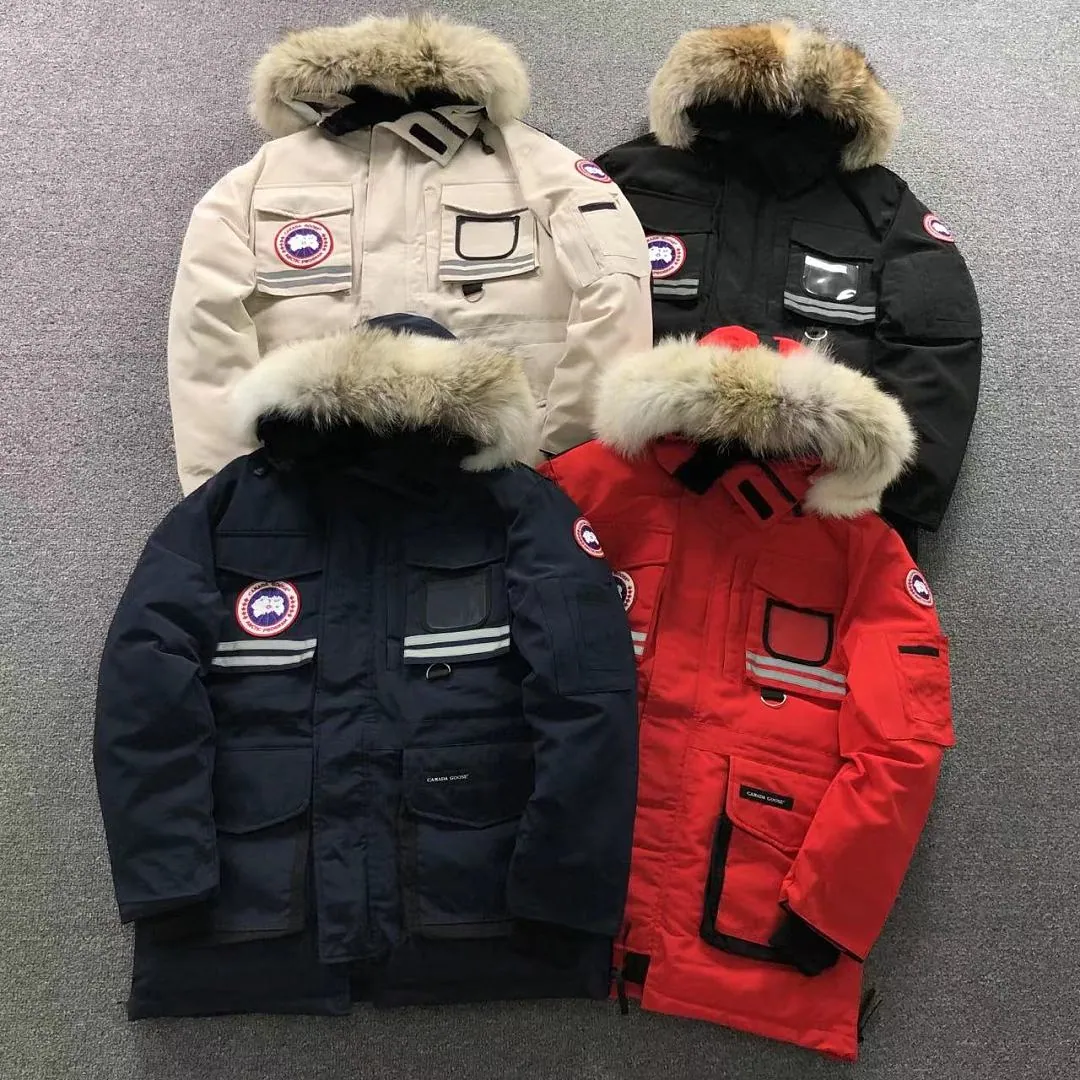
Canada Goose: Thermal Experience Index (TEI)
The most detailed system out there: five levels, each with a real temperature band.
- TEI 1 (Lightweight): 5°C to −5°C
- TEI 2 (Versatile): 0°C to −15°C
- TEI 3 (Fundamental): −10°C to −20°C
- TEI 4 (Enduring): −15°C to −25°C
- TEI 5 (Extreme): −30°C and below
Read the wording Canada Goose uses: “designed to resist temperatures ranging from…” Designed to, not guaranteed to. It describes intended use, not a lab result. If you want a jacket sitting at the deep end of that scale, the Expedition parka is the clearest example of what TEI 5 looks like in practice.
Moose Knuckles: four named levels
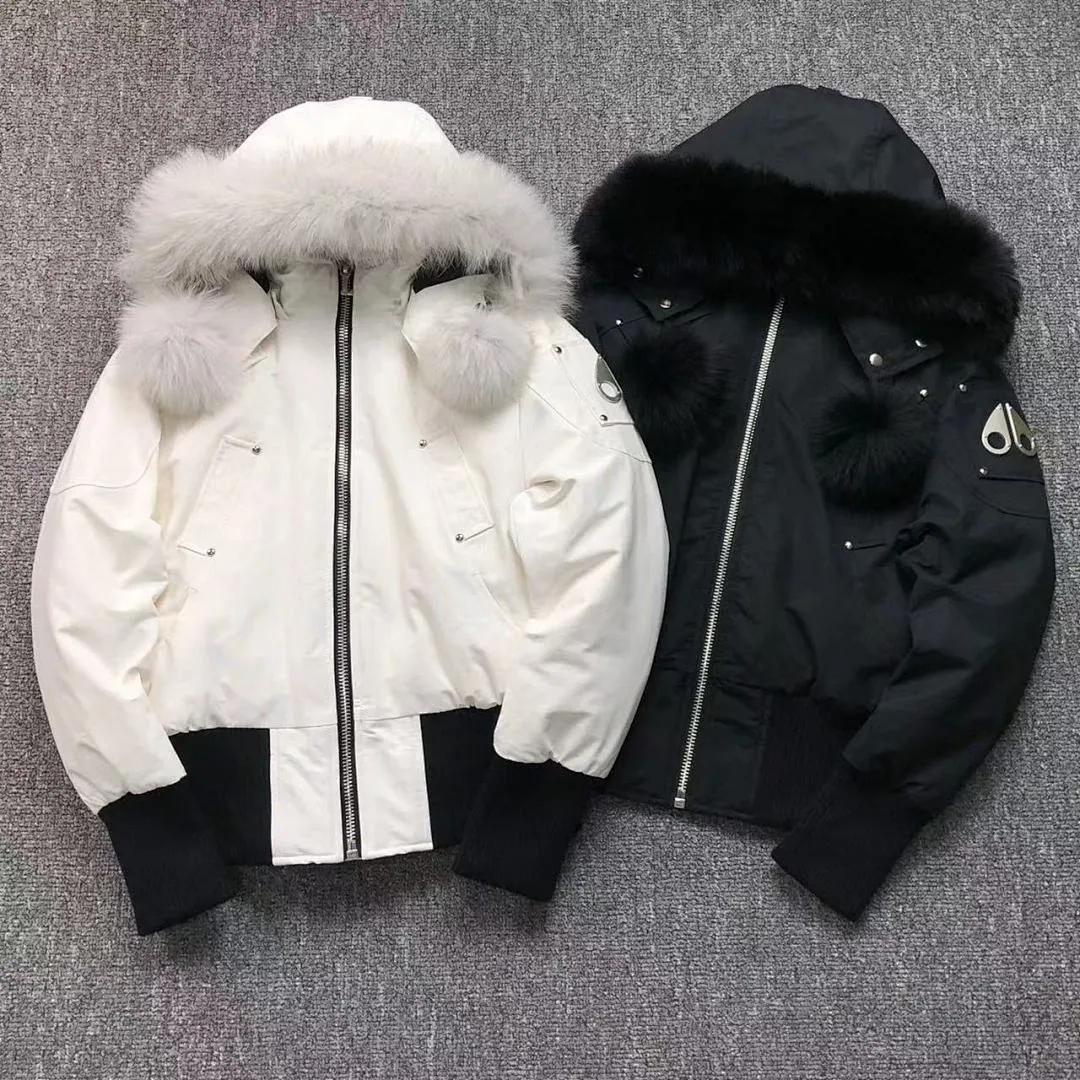
Same idea, different numbers. Moose Knuckles grades its outerwear Chilly (10°C to 0°C), Cold (0°C to −10°C), Crazy Cold (−10°C to −20°C) and Canada Cold (−20°C to −30°C), and prints something like “Level 4: Canada Cold” right on the product page. The bands sit a touch warmer than Canada Goose’s at the top — which is the whole point. These scales are brand-specific, so treat each one as its own dialect. A short Moose Knuckles down bomber carries the same Level 4 label as a full-length parka, and the two still feel very different once you’re wearing them.
The North Face: no temperature at all
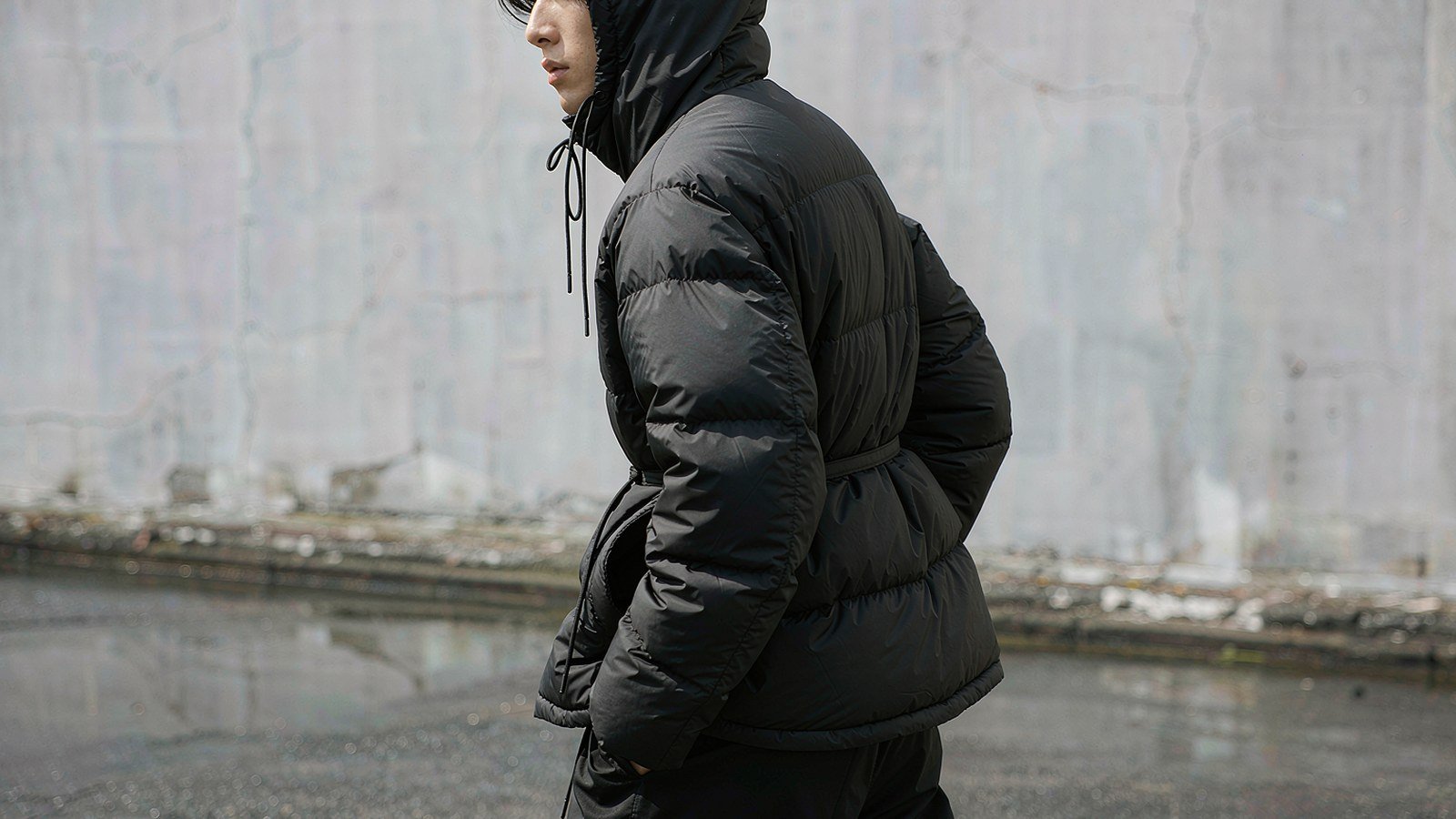
The North Face grades warmth as Warmest / Warmer / Warm / Minimal Warmth and says outright that the rating “reflects warmth relative to our other jackets.” It’s a sorting tool inside their own catalogue, not a thermometer. They pair it with weight brackets — heavyweight 750 g and up, midweight 250–749 g, lightweight under 249 g — which at least tell you how much jacket you’re carrying. For a heavy, city-oriented take on that idea, look at a long North Face down puffer.
Moncler: nothing
Moncler publishes no fill power, no temperature rating and no warmth index. Product pages give the down-to-feather ratio — usually 90% down, 10% feather — and stop there. That isn’t a knock on the jacket; it’s a different disclosure philosophy, and it means you can’t line a Moncler up against a TEI 4 on paper. Two coats, both “winter-warm”: one comes from a brand with a five-level temperature scale, the other from a brand that publishes no number at all.
Wind Rewrites the Temperature You’re Fighting
Every one of those ratings assumes still air. Winter rarely cooperates.
The US National Weather Service wind chill index turns temperature and wind speed into a “feels like” figure, and the effect isn’t cosmetic. From the NWS chart: 0°F (−18°C) with a 15 mph wind feels like −19°F (−28°C). −20°F (−29°C) at 45 mph feels like −58°F, where exposed skin can freeze in five minutes or less. Even −40°F at a modest 5 mph already reads like −58°F.
The practical version: a “TEI 3, good to −20°C” parka on a calm morning and the same parka in a 30 mph wind are two different garments. It’s also why shell and closures matter as much as fill. A gaping collar, an exposed zipper, a hood that won’t cinch — the wind finds every one of them.
The Other Half: What You’re Doing
You are the heater. A rating quietly assumes a certain amount of heat coming off your body, and that output changes with activity. Walk briskly and you generate noticeably more heat than standing still. Shovel snow and a heavyweight parka starts to feel like too much. Stand still at a winter market for two hours and the same coat feels thin.
This is precisely why the sleeping bag standard publishes a range instead of one number: a warm sleeper and a cold sleeper are not the same person, so the standard gives you comfort at one end and limit at the other. Use the same mental model on jackets. If you run cold, shop toward the colder end of a jacket’s band. If you run hot, the warmer end will feel generous.
Matching the Rating to Your Real Winter
| Your typical winter (feels-like lows, standing still) | What to look for |
|---|---|
| Mostly above −5°C — US South, UK, coastal Pacific Northwest | TEI 1–2, or Moose Knuckles Chilly to Cold |
| −5°C to −15°C — Northeast and Midwest city winters | TEI 3, or Cold to Crazy Cold |
| −15°C to −25°C — Minnesota, Quebec, Nordic winters | TEI 4, or Canada Cold |
| −25°C and below, plus wind | TEI 5 — a long parka with storm closures |
Notice the pattern: not one of those rows says “buy the warmest jacket you can afford.” Overbuying has a real cost. You sweat, the down takes on moisture, and a damp down jacket insulates poorly. The right jacket is the one matched to your winter, not the one with the scariest number on the tag. Our Canada Goose puffer jackets cover most of that range, from everyday lengths to the full deep-cold parkas.

Three Rules That Beat Any Rating
- Rate for “feels like,” not the forecast. Check the wind chill before deciding a jacket is enough.
- Rate for your stillest, longest exposure. If you’ll be sitting or standing, buy for that — not for the five-minute walk to the car.
- Leave room for a layer. Warmth lives in the air gap. A jacket that’s snug over a hoodie crushes the loft and insulates worse, not better.
Honest Questions
Can I trust a jacket rated to −30°C?
Trust the band, not the exact digit. A −30°C rating tells you which part of a brand’s line you’re in and what conditions it was built for. It doesn’t promise you’ll be comfortable at −30°C while standing still in wind. Factor in activity and wind chill.
Why doesn’t Moncler publish a temperature rating?
Moncler has never published fill power or a warmth index, and nothing obliges them to. You’re buying on fabric, construction, fit and brand — a legitimate choice, just not a numerically comparable one.
Is a higher rating always better?
No. A TEI 5 parka in a 0°C city winter will have you overheating and unzipping all day. Match the rating to your climate, your activity and how warm you run personally.
Does a heavier jacket mean a warmer jacket?
Not directly. Weight tracks how much insulation and shell are in the coat, and brand weight brackets are useful shorthand — but construction matters as much as grams. A crushed or poorly baffled heavy jacket can lose to a lighter, well-built one.
Warmth is a match, not a maximum. Work out the coldest “feels like” you’ll realistically stand around in, decide how much heat you generate doing it, then pick the jacket built for that band. If you’d rather browse by shape and weight than by number, start with our puffer jacket collection and work backwards from the length and fill you want.


Comment (1)