If you’re wondering how to wash a replica Burberry quilted jacket, the short answer is: cold water, mild liquid detergent, a gentle cycle, and patience at the drying stage. The quilting holds down in sewn channels, so rough treatment shows up fast as clumping and cold spots. Wash it less than you think you need to, dry it slower than feels reasonable, and both the loft and the shell finish will hold up for seasons.
Why Quilted Down Needs Different Care Than a Shell Jacket
A quilted down jacket has two things going on at once: a nylon face, and down fill held in place by sewn channels. The stitching that creates the quilt pattern is also the weak point. Agitate it hard and the seams stretch; soak it in hot water and the natural oils in the down strip away faster, so clusters stop springing back.
Replica jackets add one wrinkle. The shell fabric on most of what comes through the Burberry range is tightly woven nylon and holds up well, but you can’t fully trust the care label, since tag text is often copied rather than tested. So treat the jacket slightly more gently than the original’s label would suggest: lower temperature, less detergent, shorter spin.
The good news: people ruin quilted jackets through three specific mistakes — hot water, heavy spin cycles, and compressed storage. All three are easy to avoid once you know them.
How to Wash a Replica Burberry Quilted Jacket: Step by Step
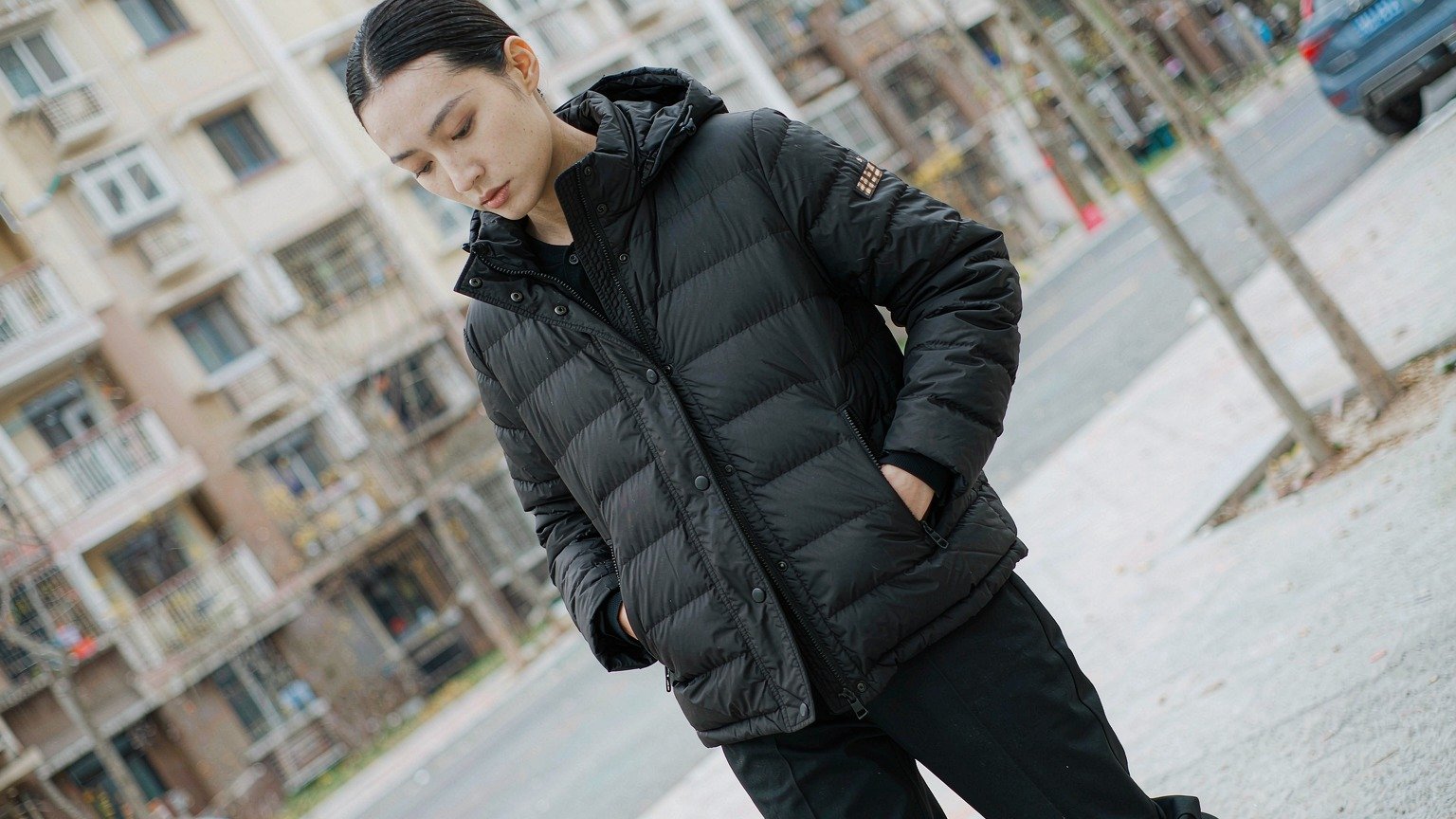
This routine works for the quilted nylon pieces in the Burberry category, including the black quilted hooded style and the check-stitch versions:
- Empty the pockets and close every zip. Open zips snag on the drum and can tear quilting lines.
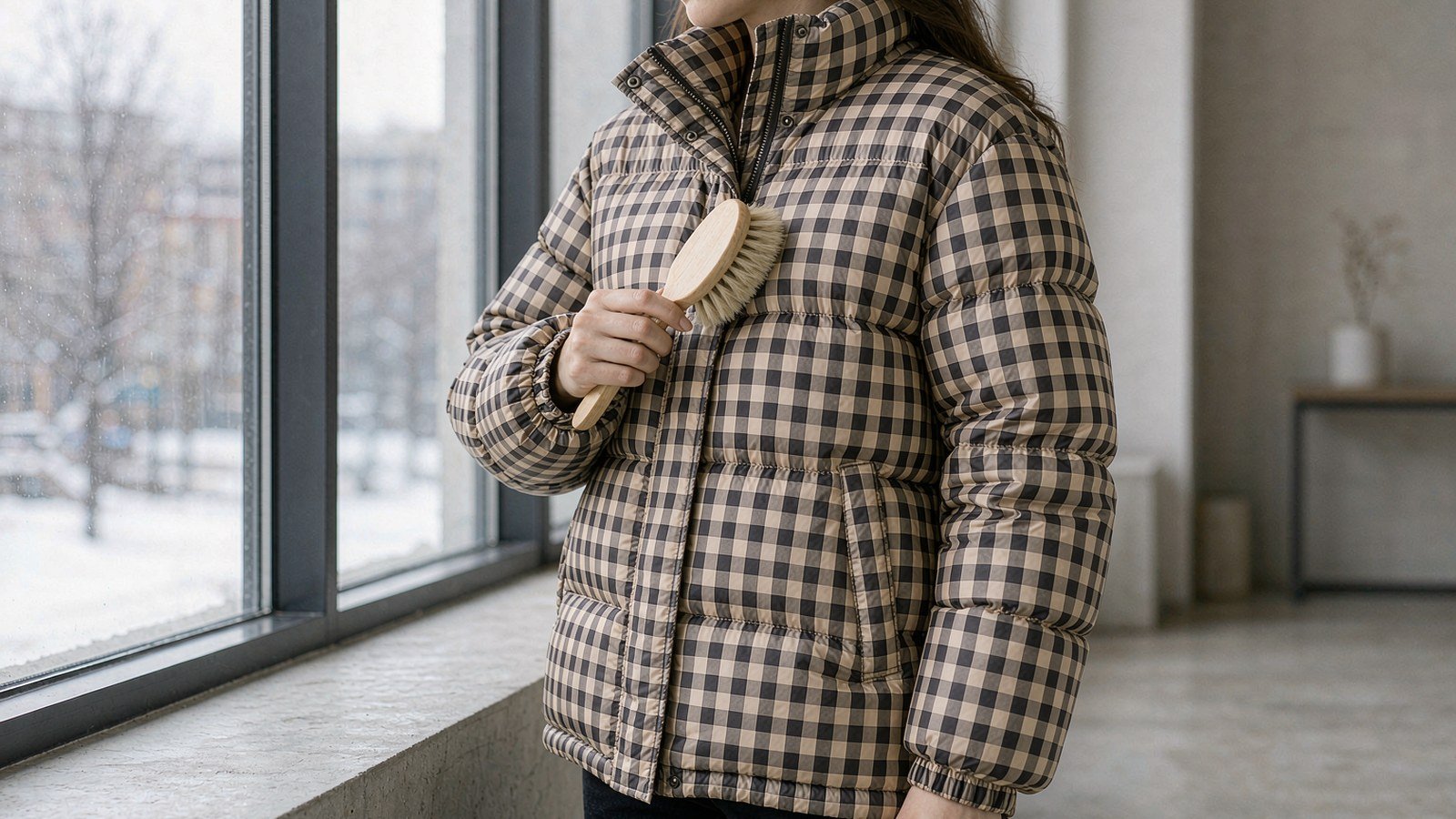
- Spot-treat cuffs, collar and hem first. A drop of gentle liquid detergent worked in with a soft brush for two minutes removes most body-oil rings before the main wash.
- Use cold water and a down-safe liquid detergent. No powder (it doesn’t dissolve fully in cold water), no bleach, no fabric softener — softener coats the down and kills loft.
- Run a gentle cycle with an extra rinse. Less agitation keeps the sewn channels from stressing; the extra rinse clears residue that would otherwise make the fill clump.
- Press water out, don’t wring. Wringing twists the baffles. Lay the jacket flat on a clean towel, roll the towel loosely, and press.
If your machine has a dedicated down or outerwear cycle, use it — it’s basically a delicate cycle with a longer rinse and lower spin built in.
Machine Wash vs Hand Wash vs Spot Clean
| Method | Best for | Main risk | Time |
|---|---|---|---|
| Spot clean | Collar, cuffs, a single stain | Uneven patches if you scrub hard | 10 minutes |
| Hand wash | Small quilted pieces, first wash | Clumped fill if you wring it | 30–40 minutes |
| Machine wash, gentle and cold | Full clean after a season of wear | Seam stress on a heavy spin | About 1 hour plus drying |
For a hooded quilted jacket worn daily all winter, the machine wash wins. For a reversible check piece worn occasionally, spot cleaning between two full washes a season is enough.
Drying and Re-Lofting Without Damaging the Quilting
Drying is where quilted down jackets actually die. Two rules:
Low heat, long time. A tumble dryer on its lowest setting, with two or three dryer balls, is the safest route. Expect two to three hours, and pull the jacket out every 40 minutes or so to break up clumps by hand. If you smell anything hot, stop.
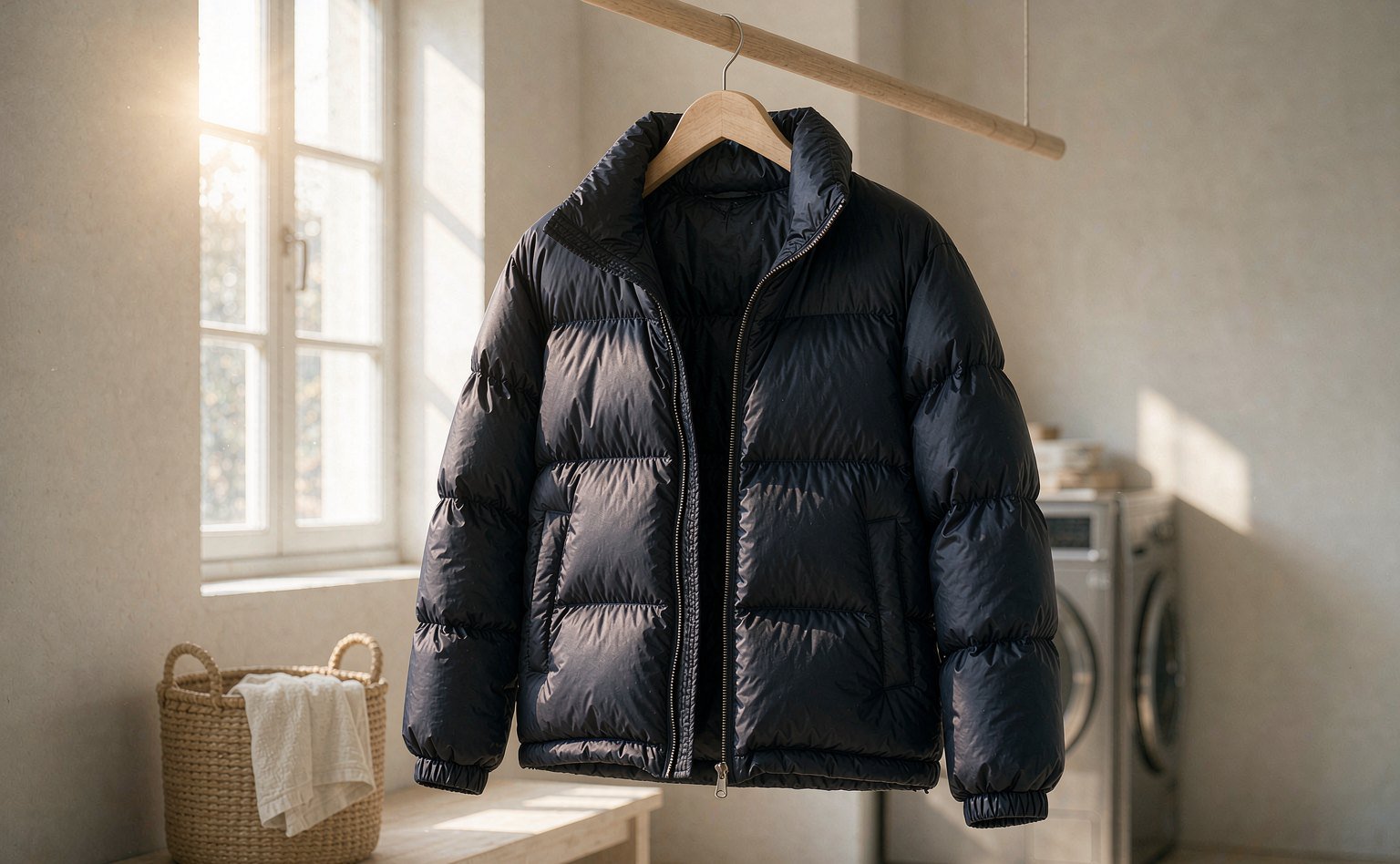
Or air dry flat, then finish low. No dryer? Lay the jacket flat on a rack, flip it every few hours, and press clumps apart with your fingers. Once it’s about 80% dry, a short low-heat tumble with dryer balls finishes the re-lofting.
Don’t hang a wet quilted jacket on a hanger. The water weight pulls the shoulders and distorts the quilting lines before the fill is even dry.
Storage for the Off-Season
Compressed storage is the third classic mistake. Down recovers from being squeezed briefly, but not from six months in a vacuum bag.
Store the jacket clean — body oil left in over summer is what breeds the musty smell you’ll be fighting next winter. Use a breathable cotton garment bag or leave it loose in a wardrobe on the widest hanger you own. Fold it loosely rather than hanging only if shelf space is the only option. A dry closet beats a basement or attic, because humidity flattens loft over a long summer even without compression. When the season starts, give it 15 minutes of low-heat tumbling with dryer balls and it’s back.
Fixing Clumps, Smells and Small Stains
- Clumped fill after washing: not a disaster. Tumble on low heat with dryer balls and break clumps apart by hand every 30 minutes. Stubborn clumps usually mean the jacket wasn’t fully dry yet — keep going.
- Feathers poking through the shell: a few in the first weeks is normal. A true leak at a seam line can be closed from the inside with a tiny drop of fabric glue.
- Musty smell: almost always detergent residue or incomplete drying. One extra rinse cycle followed by a full low-heat dry fixes it in most cases.
- Oil stains on the shell: a tiny amount of dish soap worked into the spot before the wash beats adding extra detergent to the drum.
If you’re weighing how these jackets hold up in real winter wear against other designers’ pieces, the comparison worth reading is Replica Prada Prada vs Burberry: How Long You Stand Outside.
What Not to Do With a Quilted Down Jacket
- No hot water and no high-heat drying. Heat is the fastest way to kill loft and can glaze the nylon face.
- No dry cleaning. Most solvents strip the down’s oils; a home gentle cycle is safer and cheaper.
- No fabric softener, bleach or stain boosters.
- No wringing, no hanging wet, no vacuum bags.
- Don’t wash after every wear. Two full washes a season is realistic for most people; spot clean the rest.
When a Replacement Makes More Sense
Care only goes so far. If the quilting has flattened permanently or the shell is snagged past repair, replacing beats rehabbing. The reversible check puffer is the easiest to live with — you effectively get two jackets and halve the wash frequency — while the black quilted hooded style is the one closest to the routine above. All three of these sit in the same care-friendly quilted nylon family:
 Burberry – Quilted Nylon Down Hooded Jacket Black$228View product
 Burberry “Lockwell” Hooded Check Puffer Jacket – Beige & Black$228View product
 Burberry Beige Hooded Puffer Jacket$228View product
Quilted and check Burberry down jackets that respond well to a gentle cold wash
Browse the full Burberry down jacket range
Learning how to wash a replica Burberry quilted jacket properly comes down to slowing down at two points: the cycle you choose and the drying stage. Get those right and the jacket you buy this winter still looks sharp in three. For how Burberry stacks up against Prada’s winter pieces, see Replica Prada Prada vs Burberry: Which One Fits Your Winter.
FAQ
Can I machine wash a replica Burberry quilted jacket?
Yes — cold water, gentle cycle, liquid down detergent and a low spin speed. The two real risks are a heavy spin stressing the sewn channels and hot water stripping the down, so keep both settings low.
What detergent should I use for a quilted down jacket?
A mild liquid detergent or a dedicated down wash. Skip powder detergent in cold water since it doesn’t dissolve fully, and never use fabric softener or bleach — softener coats the down and flattens the loft.
How often should I wash it?
Two full washes a season is plenty for most people. Spot clean the collar and cuffs between washes; body oil, not general dirt, is what actually wears a shell out.
How do I fix clumped down after washing?
Tumble on low heat with two or three dryer balls and pull the jacket out every 30 minutes to break the clumps by hand. Most clumping is just incomplete drying, so continue until the fill feels even everywhere.
Can I iron the quilted panels?
No. Heat flattens the down and can glaze the nylon face. Creases in the shell usually relax on their own during a low-heat drying cycle, so there’s no need to touch the fabric with an iron.
How much does a replacement cost?
Current quilted and check pieces in the Burberry category run roughly $195–$230 depending on the style, so a jacket you can’t revive isn’t a huge loss to replace with the same care routine in mind.
How should I store it over the summer?
Clean, fully dry, and loose — hung on a wide hanger in a breathable bag or folded loosely on a shelf. Never compressed in a vacuum bag, and never damp. Add a short low-heat tumble with dryer balls when you pull it out in autumn.